


Few colors carry as much festive versatility as pink, and a well-chosen pink lehenga can suit everything from daytime engagements to evening receptions. Its range of shades, from soft blush to vivid magenta, allows for outfits suited to nearly any celebration.
Choosing the right pink shade depends heavily on the specific event, time of day, and personal skin tone, making this one of the more nuanced color decisions within festive wardrobe planning for many buyers.
Understanding Pink’s Many Shades
Blush and rose tones feel soft and romantic, suiting daytime engagements and mehendi functions particularly well. Magenta and fuchsia bring bolder energy, better suited to evening receptions and dance-heavy sangeet celebrations.
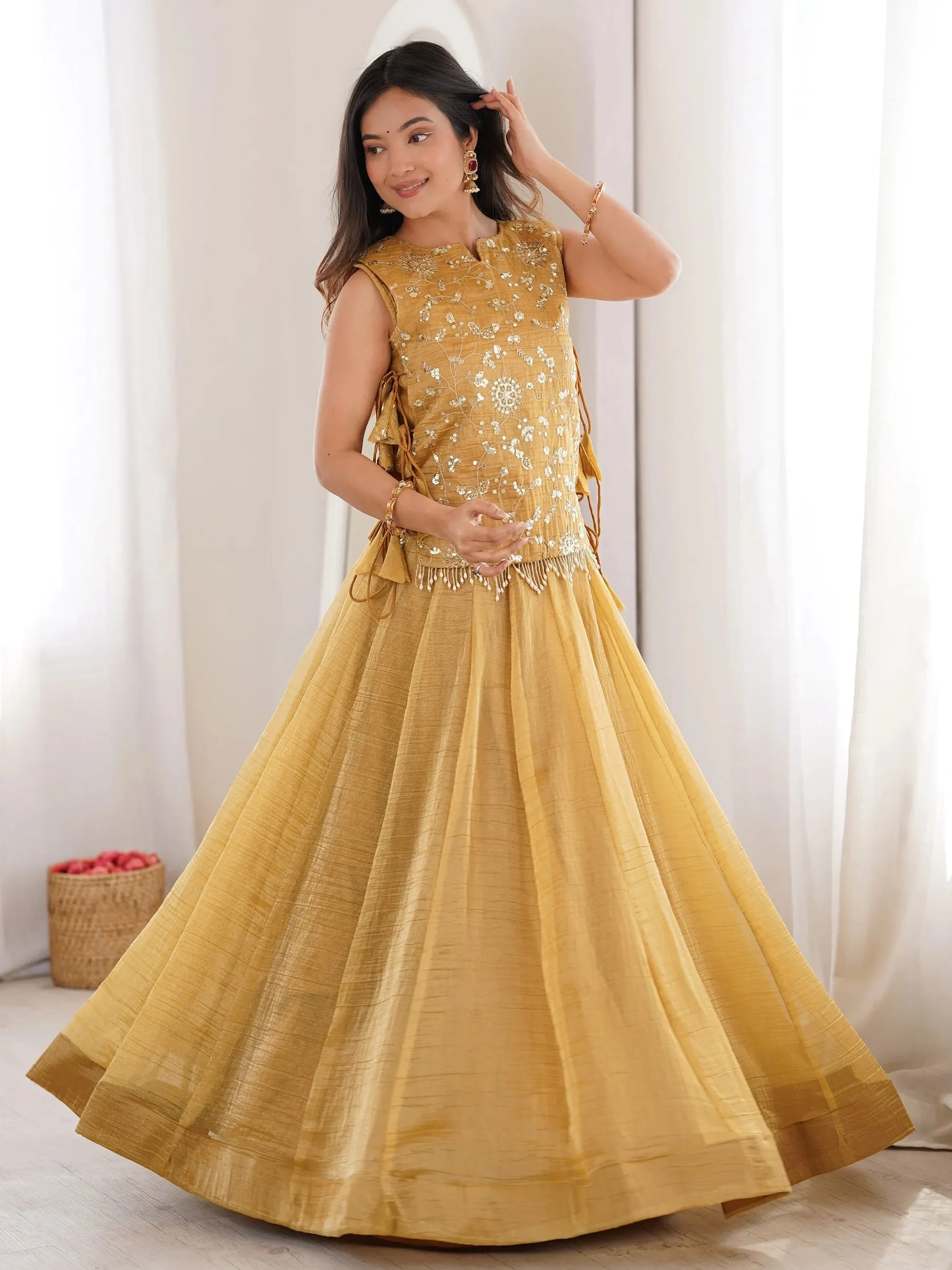
For a richer, more traditional evening alternative, a Golden Lehenga Choli pairs beautifully alongside pink elsewhere in a wedding party’s palette, offering warmth and shine that complements pink’s softer tones without directly competing for attention.
Matching Pink Shades to Skin Tone
Warmer skin tones often suit coral-leaning pinks, while cooler skin tones tend to pair better with rose or fuchsia shades. Trying a few different pink tones under natural light can help identify which shade feels most flattering.
- Try coral-pink for warmer undertones and daytime events.
- Choose rose or fuchsia for cooler undertones.
- Test shades under natural light before purchasing.
- Consider how the shade photographs under event lighting.
Fabric and Embellishment Choices
Georgette and chiffon pink lehengas offer a soft, flowing silhouette suited to daytime functions, while silk and velvet versions bring more structure and richness appropriate for evening receptions and more formal ceremonies.
Gold and silver embroidery both pair well with pink, though gold tends to feel more traditional while silver offers a slightly cooler, contemporary finish depending on the specific shade of pink chosen for the outfit.
Pairing Blouses and Dupattas With Pink
Contrast blouses in gold, green, or deep maroon can add visual interest to a pink lehenga, while a matching-tone blouse creates a more streamlined, monochromatic appearance suited to minimalist styling preferences.
- Try a contrast blouse for added visual interest.
- Choose a matching blouse for a streamlined look.
- Consider a dupatta in a complementary shade.
- Add metallic borders to tie the outfit together.
Occasions Suited to Different Pink Tones
Soft pastel pinks work particularly well for daytime engagement ceremonies and garden receptions, where a gentler palette feels appropriate to the setting and natural lighting typical of outdoor daytime events.
Deeper, more saturated pinks suit evening functions and indoor receptions, where richer color tends to stand out more clearly under artificial lighting and against typically darker venue backdrops common to formal events.
Layering and Draping Ideas for Pink
A jacket or cape layered over a pink lehenga blouse adds structure and modern flair, particularly useful for receptions where guests want something distinct from a single-layer traditional silhouette without losing overall softness.
Experimenting with dupatta draping, whether pleated over one shoulder or wrapped loosely around the waist, can shift a pink lehenga’s formality noticeably, offering more than one distinct look from a single outfit.
Seasonal Considerations for Pink Outfits
Lighter pink shades in breathable fabrics suit summer daytime functions well, while deeper, richer pinks in silk or velvet feel more appropriate for winter evening receptions and cooler-weather celebrations later in the year.
Regardless of season, testing the exact shade under the venue’s expected lighting, whether daylight or artificial, helps avoid surprises between how the outfit looked in photos and how it appears in person.
Pairing Pink With Other Colors in a Wedding Party
When multiple guests plan to wear pink, coordinating slightly different shades rather than identical ones helps avoid an overly matched appearance in group photographs while still keeping a cohesive overall color theme.
Checking with the wedding hosts about any specific color guidelines ahead of time can also help guests choose a pink shade that complements rather than clashes with the couple’s chosen decor palette.
Conclusion
Pink offers remarkable versatility across festive occasions, with shade selection playing a central role in how appropriate and flattering the final outfit feels. Considering skin tone, event timing, and fabric together leads to a more confident choice.
Whether choosing a soft blush for daytime or a bold fuchsia for evening, understanding pink’s range helps ensure the lehenga feels intentional and well-suited to its specific occasion rather than a generic default choice.